

In a recent development surrounding former Ghanaian football star, John Paintsil, and a group of journalists, including Patrick Osei Agyemang ‘Songo’, the call to uphold justice and accountability resonates strongly.
Paintsil, currently serving as the assistant coach of Ghana’s senior national team, has taken a bold step in confronting defamation head-on, sparking a conversation about ethical journalism and the consequences of spreading false information.
The saga began when Paintsil, a respected figure in Ghanaian football, found himself at the center of defamatory remarks made by Songo and three others, namely Saddick Adams, Christopher Nimley, and Veronica Commey.
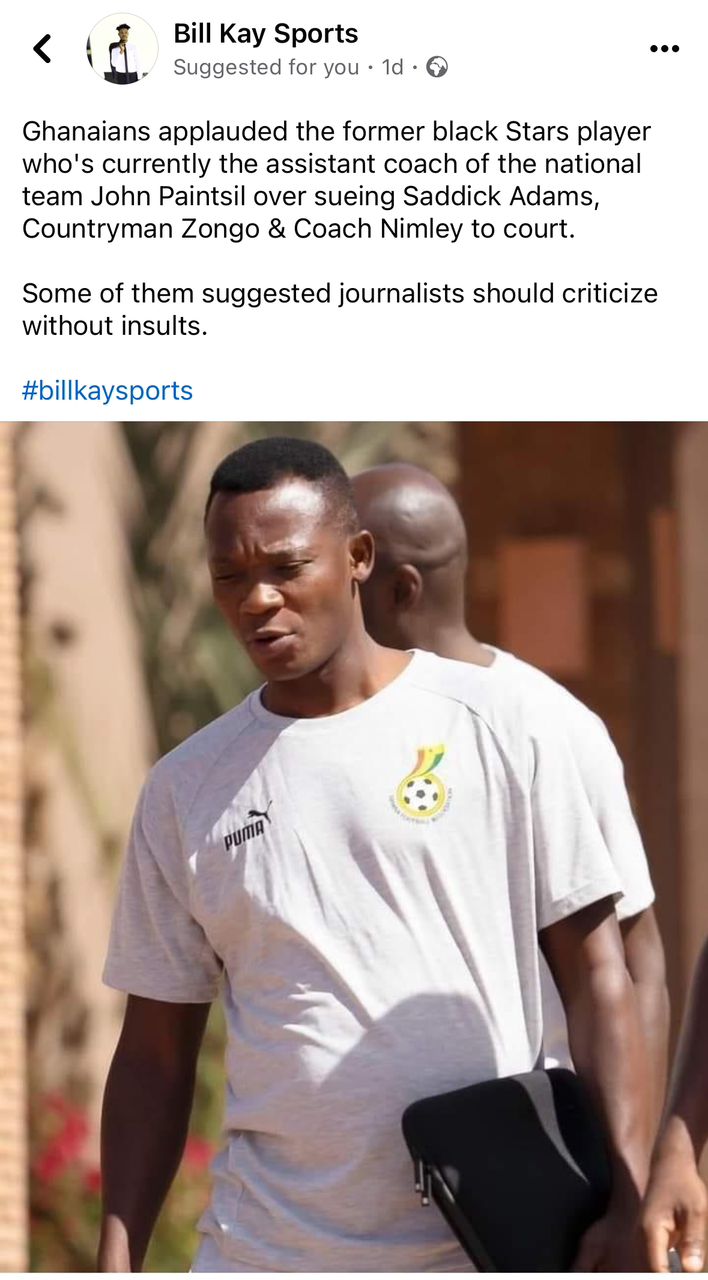
These individuals allegedly propagated claims on various media platforms, suggesting that Paintsil had falsified his coaching credentials.
For Paintsil, whose dedication to the sport has been unwavering, the accusations struck a nerve. With his reputation on the line, he took legal action, filing a defamation suit against the offenders.
However, this isn’t just about protecting his own name; it’s about setting a precedent for integrity in sports journalism.
The parallels between this case and Songo’s previous defamation of former Ghana Football Association (GFA) President Kwesi Nyantakyi are striking.
Songo had previously tagged Nyantakyi with the mantra ‘Sika Die Basa Basa,’ insinuating financial impropriety within the football association.
This pattern of behavior raises concerns about journalistic ethics and the need for accountability within the media landscape.
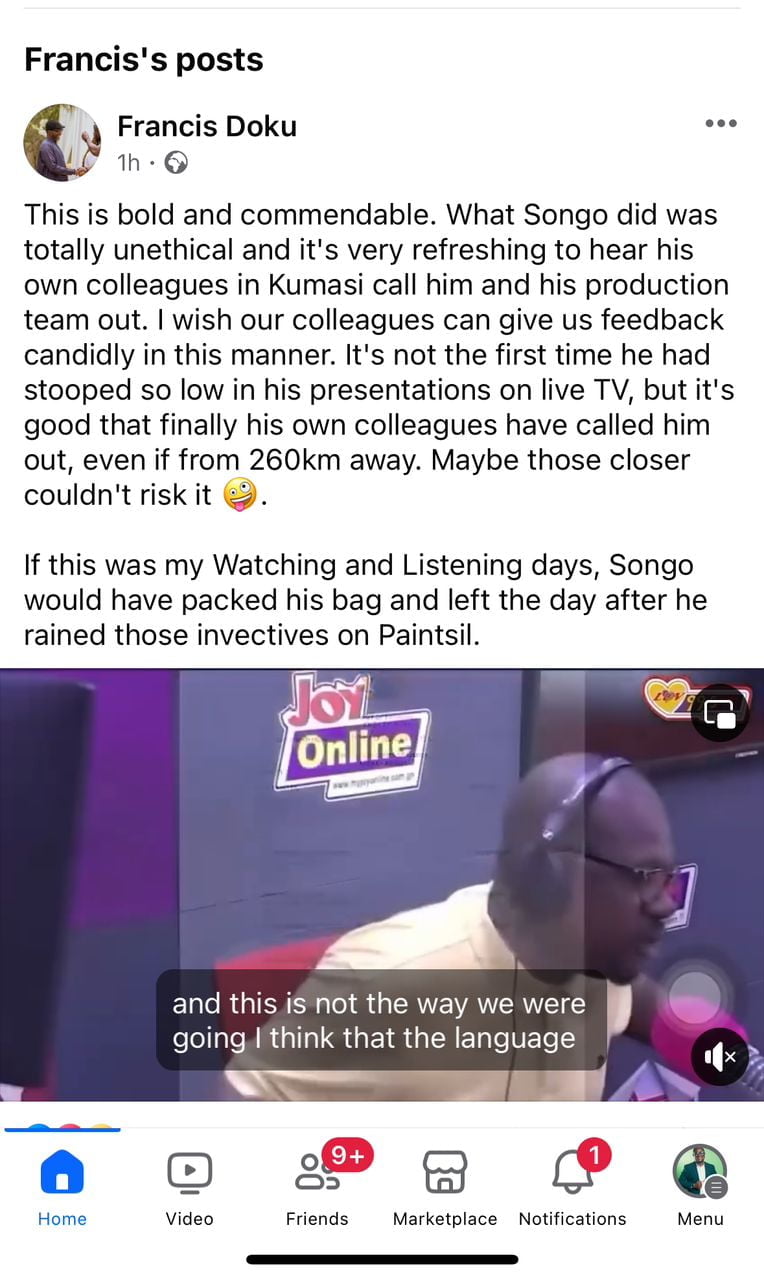
Many Ghanaians, recognizing the significance of Paintsil’s stance, have rallied behind him, urging him not to withdraw the defamation suit.
They argue that holding the perpetrators accountable is essential in combating the culture of defamation and misinformation that plagues the industry.
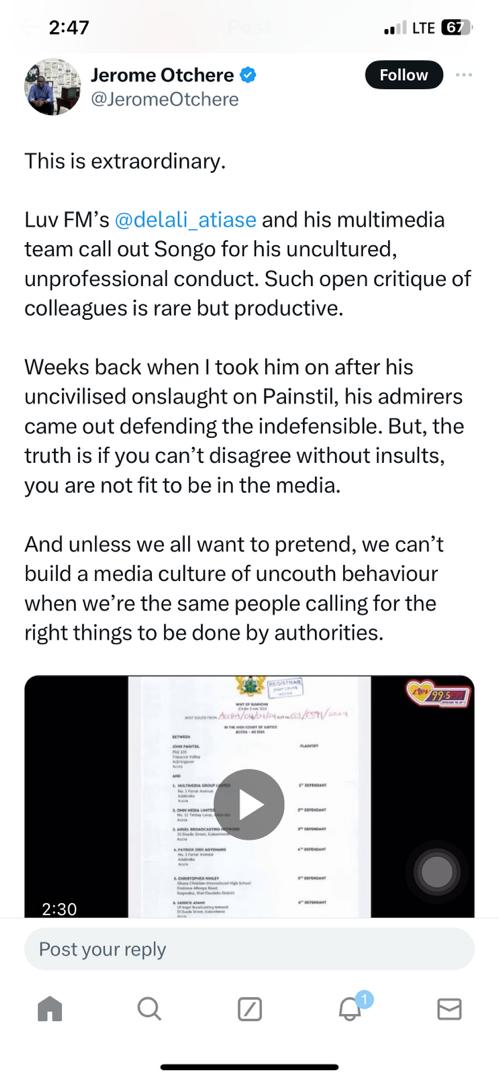
In light of these events, it’s evident that Paintsil’s decision to pursue legal action isn’t just about seeking retribution; it’s a stand for truth, integrity, and fairness.
By refusing to accept apologies and allowing the case to proceed, he sends a clear message: defamation will not be tolerated, and those who spread falsehoods will be held accountable.
As the legal proceedings unfold, all eyes are on Paintsil, not only as a football icon but as a symbol of resilience in the face of injustice.
His determination to see the case through serves as a beacon of hope for all those who have been unjustly targeted by irresponsible journalism.
In the pursuit of justice, John Paintsil stands tall, reminding us all that truth and integrity are worth fighting for.